Driving, Interviews, and Polly
In high school, I had good friends. Most of the girls treated me like a brother, someone safe to talk to. They laughed with me, shared their stories, but never saw me the way they saw other guys. I smiled along, but when the conversation ended, I sat in my chair and wondered why no one ever looked at me differently. I knew what it was to love someone who would never love me back. I carried it quietly, like a bruise that never healed.
By the time university ended, I was a man who had never been kissed, never had a girlfriend. Most days, I laughed with classmates, joined conversations, and looked busy. But when the crowd thinned, I wheeled home alone, the sound of my chair echoing against the pavement. I kept moving forward, though I was not always sure where forward was.
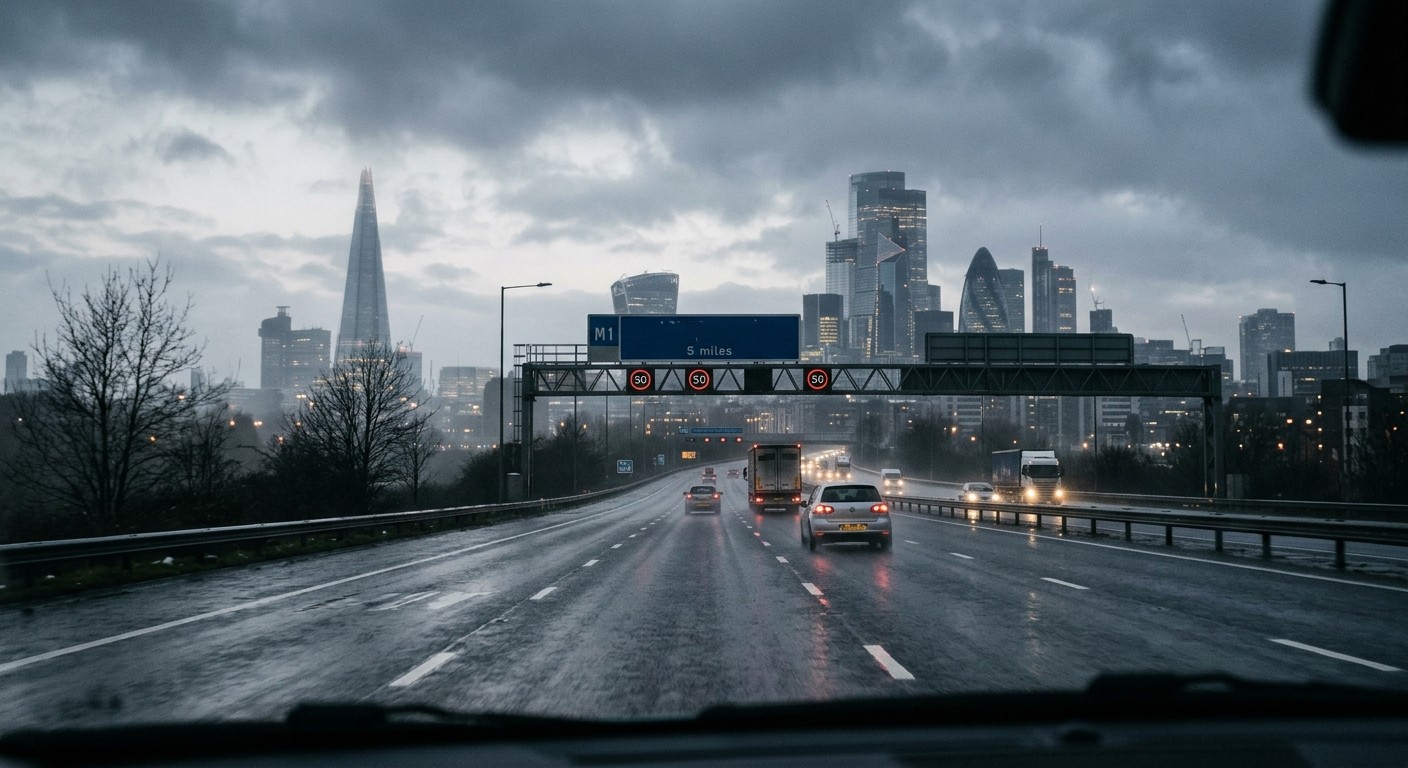
The job hunt began. I ironed shirts, polished shoes, and rolled into interviews with a practised smile. At first, the excitement carried me. But weeks stretched into months, and each rejection took something from me that I was not sure I would get back. Driving four hours a day, three or four days a week, I threw myself into the rhythm of interviews, organising the next day’s appointments between meetings and chasing hope that felt more like exhaustion. Too often, I sensed the decision had already been made before I even entered the room. They did not want to hire me, but they did not want to be seen as discriminating either.
At night, I found escape. IRC opened a door to a world where no one saw the chair. Behind the screen, I could be anyone. I typed fast, inventing a version of myself who walked, ran, and lived without limits. Conversations flowed easily. Women laughed at my jokes, flirted, and treated me like the man I wanted to be. For the first time, I was not invisible. But the lies tangled quickly, and when I confessed, the world I had built collapsed line by line. I told myself I was finished with IRC, but after a week away, I tried again, this time determined to be honest about who I was.
That was when I met Polly, a girl from Auckland. After long days of interviews, instead of driving home, I would meet her. We hit it off as friends, and soon there was chemistry: kissing, exploring, moments that felt like I was finally experiencing what I had missed. For a while, I was content to live in the present, not worrying about the future. But as we spent more time together, I began to dream of more. I pushed for it, and we began to fight, make up, and fight again.
One Thursday, I had an interview with a bank. The panel seemed stunned when I rolled in, though two recovered quickly. I thought it was one of my best interviews. I went home dreaming of a future in banking. The next day, while waiting for Polly, I got the call: “They enjoyed the interview and think you have potential, but you did not look professional enough.” I had done everything I could to present myself well. A wave of pain hit, and I burst into tears. Polly tried to console me, but she did not know how. That night she gave me the “I just want to be friends” speech. I drove home on autopilot.
After that, my motivation collapsed. I stopped making new appointments, though I kept the ones already scheduled. Polly drifted away, her phone disconnected. I convinced myself I had been her secret rebellion, an experience to have, then forget.
So I threw myself deeper into the online world, trying to escape the real one. In some ways it worked; in others, it made things worse. For better or worse, a line had been crossed. I could not go back to accepting life the way I had before.