A Place to Start
A dashboard is one of those services that can seem unnecessary right up until the moment it starts to matter.
On paper, Dashy did not really give me anything I did not already have. My services already existed. The URLs already worked. Internal DNS was in place. Reverse proxying was in place. If I wanted to reach something, I could. That was not the problem.
The problem was that the lab had started to ask more of my memory than I wanted to give it.
There was voice.cdilks.com for the public writing site. There were internal names for hosts and services. There was the Jekyll development environment, the DNS server, the AI lab, Open WebUI, and the other pieces that had slowly started to gather around them. None of them were difficult to reach, exactly. But there were enough of them now that the whole thing no longer felt accessible. I was beginning to feel like I could see all the pieces, but not the whole.
That is often how a homelab grows. Not by becoming impossible, but by becoming slightly more awkward than it used to be.
Dashy appealed to me because it promised something simple: one place to start.
Normally a new homelab service adds capability. It lets you do something new. It stores photos, proxies traffic, resolves names, runs language models, or publishes writing. Dashy does not really do that. It does not add much capability of its own. What it does is gather the capability that already exists and present it in a way that feels usable.
That difference is easy to underestimate.
By the time I set it up, I already had enough infrastructure in place for the lab to function properly. DNS worked. Reverse proxying worked. HTTPS was beginning to work. Names had replaced numbers in most of the places that mattered. But there was still a gap between “the services exist” and “the services feel easy to live with.” Dashy helped close that gap.
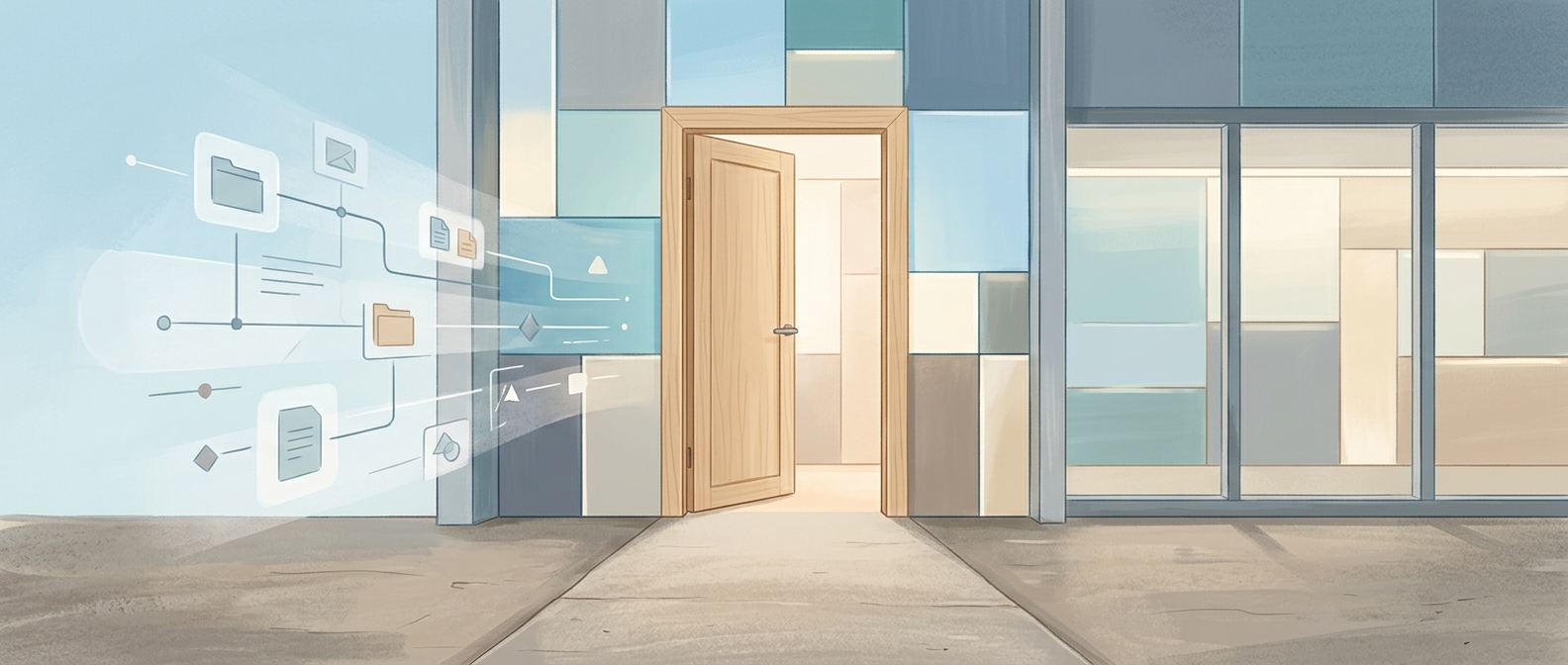
There is a temptation with dashboards to make them perform. To fill them with widgets, status indicators, clocks, weather panels, system metrics, and every possible integration. I understand the appeal, but I did not want that. What I wanted was something calmer. A front door. A page that reflected the shape of the lab without trying to become the lab itself.
I had already written about how internal DNS made the homelab feel more coherent. Dashy did something related, but at a different level. DNS gave the lab names. Dashy gave the names a home. DNS made the environment easier to address. Dashy made it easier to enter.
That is a quieter contribution than most homelab tools make, but not a trivial one.
There were some small lessons in setting it up. Health checks, for example, turned out to be less straightforward than they first seemed. Some services were genuinely checkable. Others were behind authentication, redirected strangely, or were only available when I happened to be running them. A red indicator did not always mean something was broken. Sometimes it only meant that the dashboard was asking the wrong question. That was a useful reminder that visibility and truth are not always the same thing.
I also found myself caring more about naming than I expected. Calling the dashboard home.forge.cdilks.com felt better than calling it dash. “Dash” describes the software. “Home” describes the role. That was the better choice. It made the service feel less like another component and more like what it actually was: the place I go first.
That distinction matters.
A lot of the work I have done in this rebuild has been about reducing friction without reducing capability. Not making the lab bigger, but making it clearer. Dashy fits that pattern well. It is not a dramatic service. It is not impressive in the way DNS or reverse proxying or local AI can be impressive. But it changes the experience of the lab in a subtle way that is easy to appreciate once it is there.
It makes the environment feel considered.
I think that is why I like it.
A good homelab is not just a pile of working services. It is a place that feels understandable, even when it is growing. Dashy does not create that feeling on its own, but it helps make it visible. It gives shape to the systems that already exist. It lowers the mental cost of getting from one place to another. And sometimes, that is exactly what a growing system needs.
Dashy did not make the lab more powerful.
It made it easier to begin, and easier to see the whole.